How Much Does It Cost to Roof a 3-Bedroom House in Kenya?
Benard Karingithi
2026-06-30
Meet Dorcas. She has saved for years, drawn up her plans, annoyed her fundi only twice (a small miracle), and is finally ready to roof her three-bedroom bungalow. In her mind, she’s already picturing the photo she’ll post in the family WhatsApp group, captioned “Stage ya roofing done!”
But Dorcas is about to make a classic mistake, one that delays projects, blows budgets, and causes unnecessary stress for homeowners across Kenya. She is about to budget for mabati only and assumes that covers the entire roofing cost.
If you’re planning to roof a 3-bedroom house in Kenya, this guide walks through what Dorcas learned the hard way, so you don’t have to.
What Is the Real Cost to Roof a 3-Bedroom House in Kenya?
For a typical 3-bedroom bungalow, the total roofing cost in Kenya ranges from KSh 280,000 to over KSh 650,000, depending on the budget tier, roof design, and materials chosen. This figure covers the full roofing system, not just sheets.
| Budget Level | Estimated Roofing Cost | What It Typically Includes |
|---|---|---|
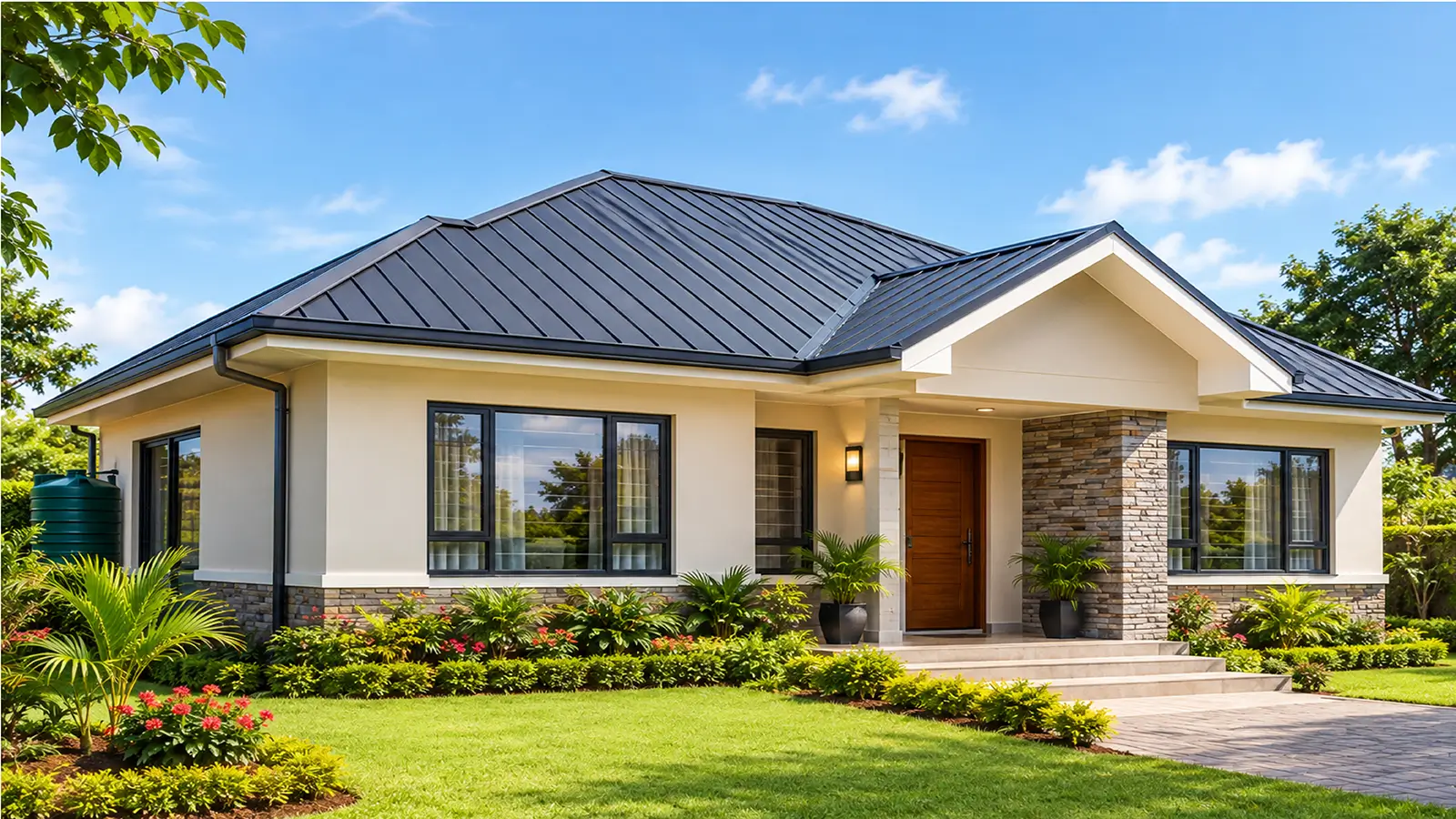
| Basic but complete | KSh 280,000 – 420,000 | Standard mabati, simple gable roof, basic timber trusses |
| Mid-range | KSh 420,000 – 650,000 | Roofs with hips and valleys, upgraded accessories, matte or tile-profile finishes |
| Premium | KSh 650,000+ | Designer profiles, complex roof shapes, Light Gauge Steel structure |
Dorcas’s first mistake was walking into a hardware shop, checking the price of roofing sheets on the wall, and assuming that number was her full budget. It wasn’t. A complete roofing budget for a 3-bedroom house includes far more than sheets alone:
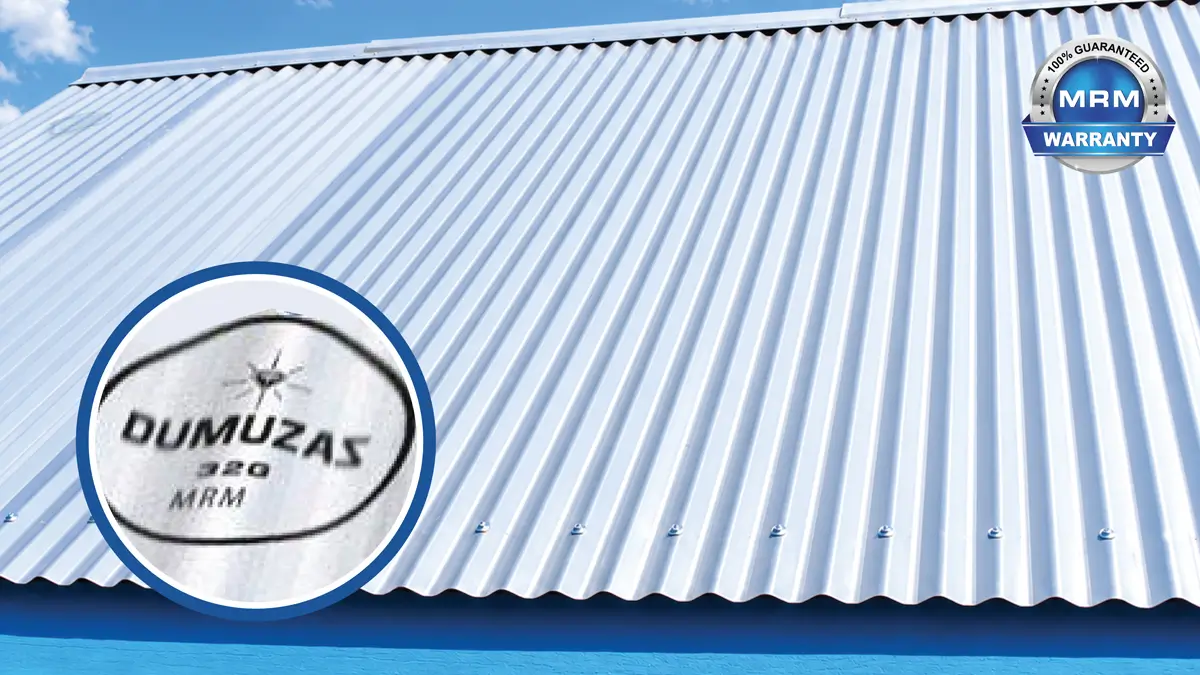
- Roofing sheets (e.g., MRM Mabati)
- Trusses and roof structure
- Ridge caps, valleys, and flashings
- Fasteners
- Labour
- Transport
- A wastage allowance for cutting, overlaps, and design complexity
Why Roofing Cost Isn’t Just About Bedroom Count
Dorcas called her cousin, who built his house the previous year and now considers himself a construction consultant. His response was blunt: “My friend, you’re budgeting for mabati only? Unaenda wapi? Roofing ni system, not just sheets!”
That’s when Dorcas realised something important: two 3-bedroom homes can have completely different roofing costs depending on:
- Roof area
- Roof shape (a simple gable costs less than a hipped roof with valleys)
- Product choice
- Location (Nairobi versus rural Kenya)
- Availability of skilled labour
- Transport distance
Bedroom count doesn’t determine roofing cost. Roof design does. A compact 3-bedroom home with a complex hipped roof can cost more to roof than a larger home with a simple gable design.
Timber Trusses vs. Light Gauge Steel
One trend worth knowing about before you budget: more Kenyan homeowners are now moving away from traditional timber trusses toward Light Gauge Steel (LGS) trusses, such as MRM’s Trussing range. The shift is largely a response to the rising cost of quality timber and the treatment it requires to resist rot and termites.
Choosing steel trusses can push your initial budget toward the mid-to-premium range, since LGS typically costs more upfront than timber. Over the life of the roof, though, it tends to save money elsewhere: no treatment costs, less wastage from cutting and warping, and a structure that doesn’t degrade the way untreated or poorly treated timber can. If you’re comparing quotes, it’s worth asking your supplier to break out timber and LGS options separately rather than assuming timber is automatically the cheaper choice.
Roofing Cost Breakdown by Component
Once Dorcas got proper estimates, not just sheet prices, she saw how the budget actually breaks down. Here’s the typical cost share for a 3-bedroom roofing project in Kenya:
| Component | Typical Share of Budget | Why It Matters |
|---|---|---|
| Roofing sheets | 30 – 45% | The visible cost is less than half the total |
| Trusses/structure | 20 – 30% | A strong roof starts underneath; the timber-vs-steel choice lives here |
| Accessories (ridge caps, flashings) | 8 – 15% | Small parts that add up fast |
| Labour | 15 – 25% | Skilled fundis don’t come cheap |
| Transport | 5 – 12% | Distance from supplier to site matters, especially upcountry |
The initial “affordable roof” Dorcas had planned for was missing more than half the real cost. The budget is spread across several components, not concentrated in sheets alone.
Common Roofing Cost Surprises in Kenya
Dorcas fell into a trap many Kenyan homeowners fall into: see the sheet price, multiply by the number of sheets, and assume the work is done. Then the “extras” start appearing:
- “We need trusses.”
- “We need ridge caps.”
- “We need fasteners, zinc-coated, not the cheap ones.”
- “Transport lazima.”
- “Labour haiko kwa hii quote.”
The cheapest-looking roofing quote can become the most expensive one if half the line items weren’t included from the start, and product choice plays a bigger role here than most people expect. Mabati comes in different gauges, generally Gauge 28 (thicker, more durable, premium pricing) versus Gauge 30 (thinner, lighter, more budget-friendly), and that single specification can shift your total noticeably. A roof quoted in Gauge 30 will typically come in cheaper than the same design in Gauge 28, which is part of why two seemingly identical 3-bedroom quotes can land at very different price points. Always confirm the gauge before comparing prices between suppliers.
How to Ask for an Accurate Roofing Quote
The turning point came when Dorcas changed her question. Instead of asking “How much is mabati?” she started asking: “What is the full cost to roof my house, sheets, trusses, accessories, labour, and transport included, and what gauge and truss material are you quoting?”
That single change got her real numbers, realistic timelines, and accurate expectations from suppliers.
What Pushes Roofing Costs Higher
A few factors can raise your final roofing cost above the typical range:
- Complex roof designs (hips, valleys, dormers)
- Larger roof area
- Premium roofing profiles or finishes
- Thicker gauge sheets (Gauge 28 over Gauge 30)
- Choosing Light Gauge Steel trusses over timber
- Long transport distances to the site
- Poor measurements that lead to material wastage
Roofing Quote Checklist for a 3-Bedroom House
When requesting roofing quotes, ask suppliers to itemise these six things every time, and confirm gauge and truss material for each:
- Roofing sheets (e.g., MRM Mabati), with gauge specified
- Trusses and roof structure (timber or Light Gauge Steel)
- Ridge caps, valleys, and flashings
- Correct fasteners
- Transport
- Installation labour
A supplier who itemises all six and tells you the gauge and truss material without being asked twice is giving you a real quote. One who skips straight to a single number for “mabati” is not.
The Result: A Roofing Project Without Surprises
With a full-system quote, proper planning, and a realistic budget, Dorcas finished her roofing stage without drama: no mid-project surprises, no last-minute shopping for forgotten accessories, no mysterious new costs.
And yes, she finally got to send that photo to the family WhatsApp group.